Montreal’s outdoor tennis courts have closed for the season. They’ll sit empty until spring. One of them is still in play, though. Just not as a court.
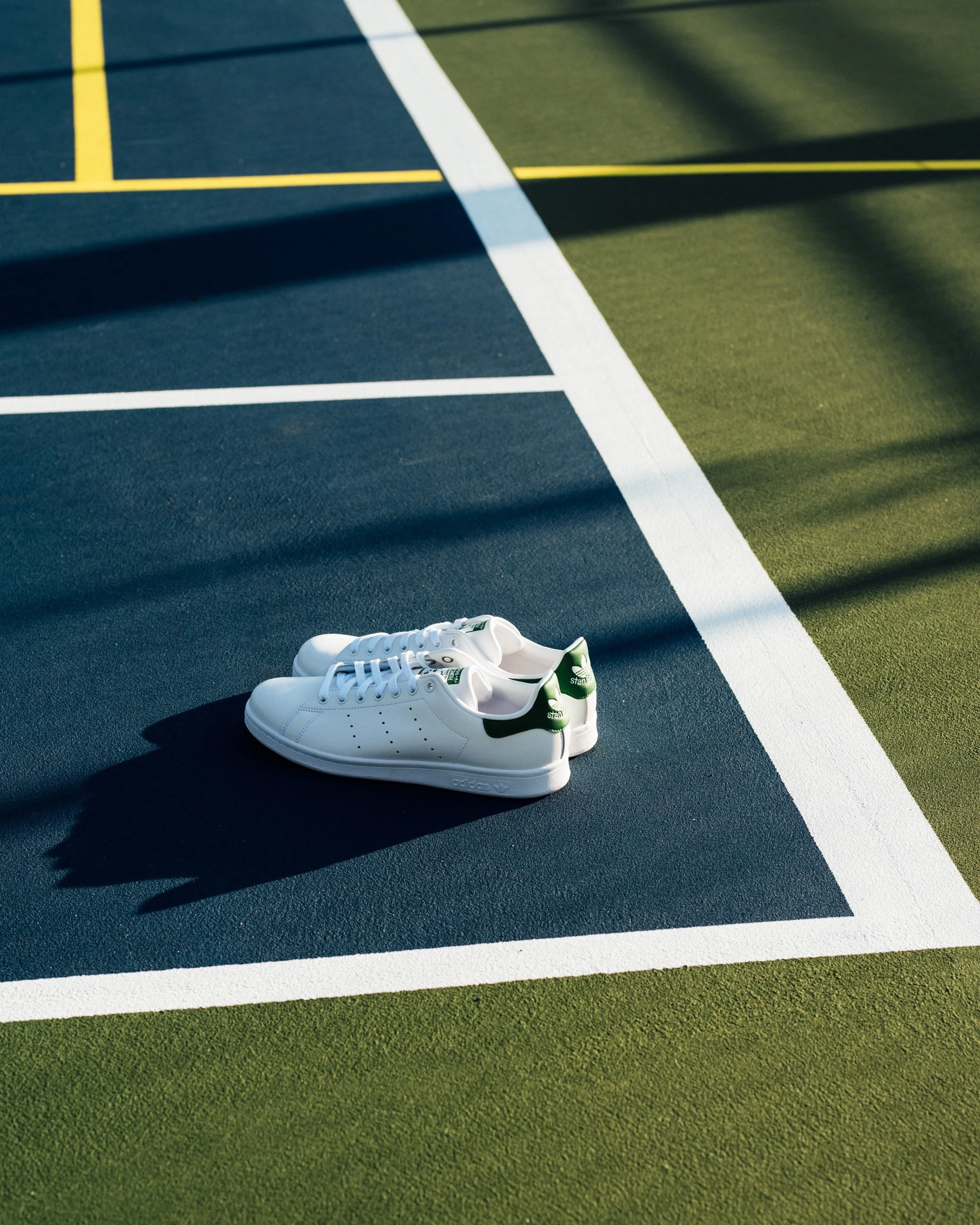
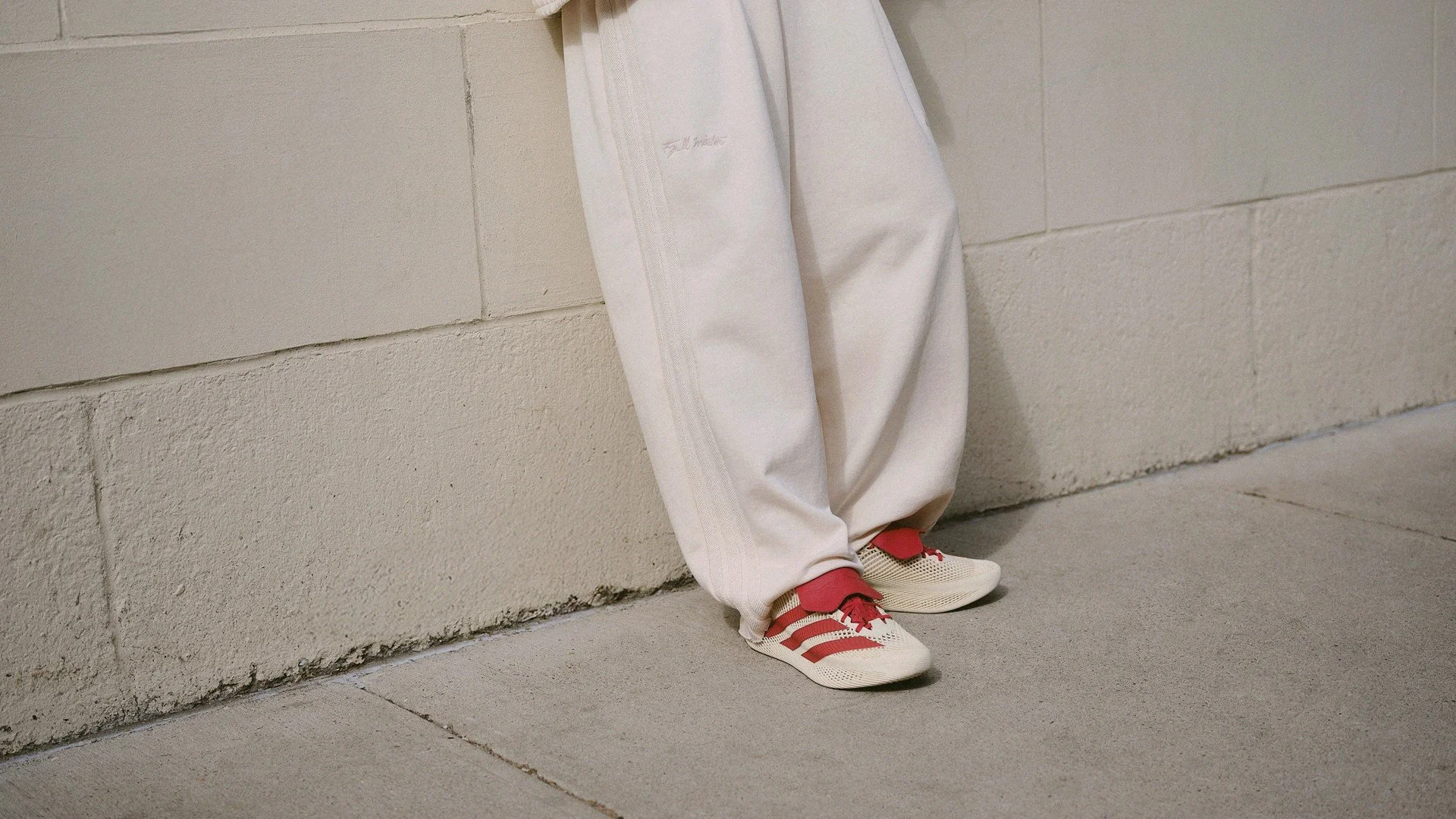
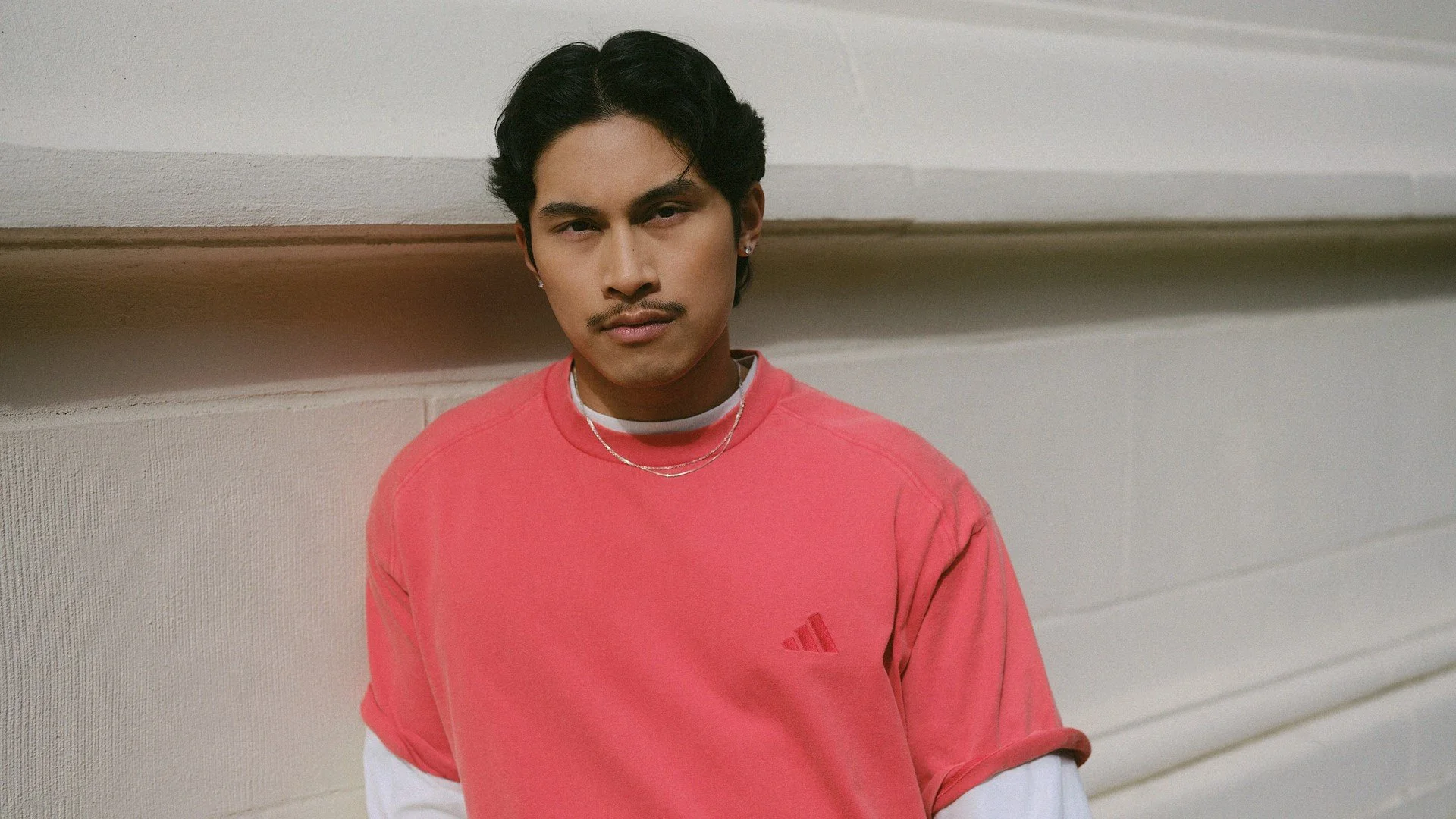
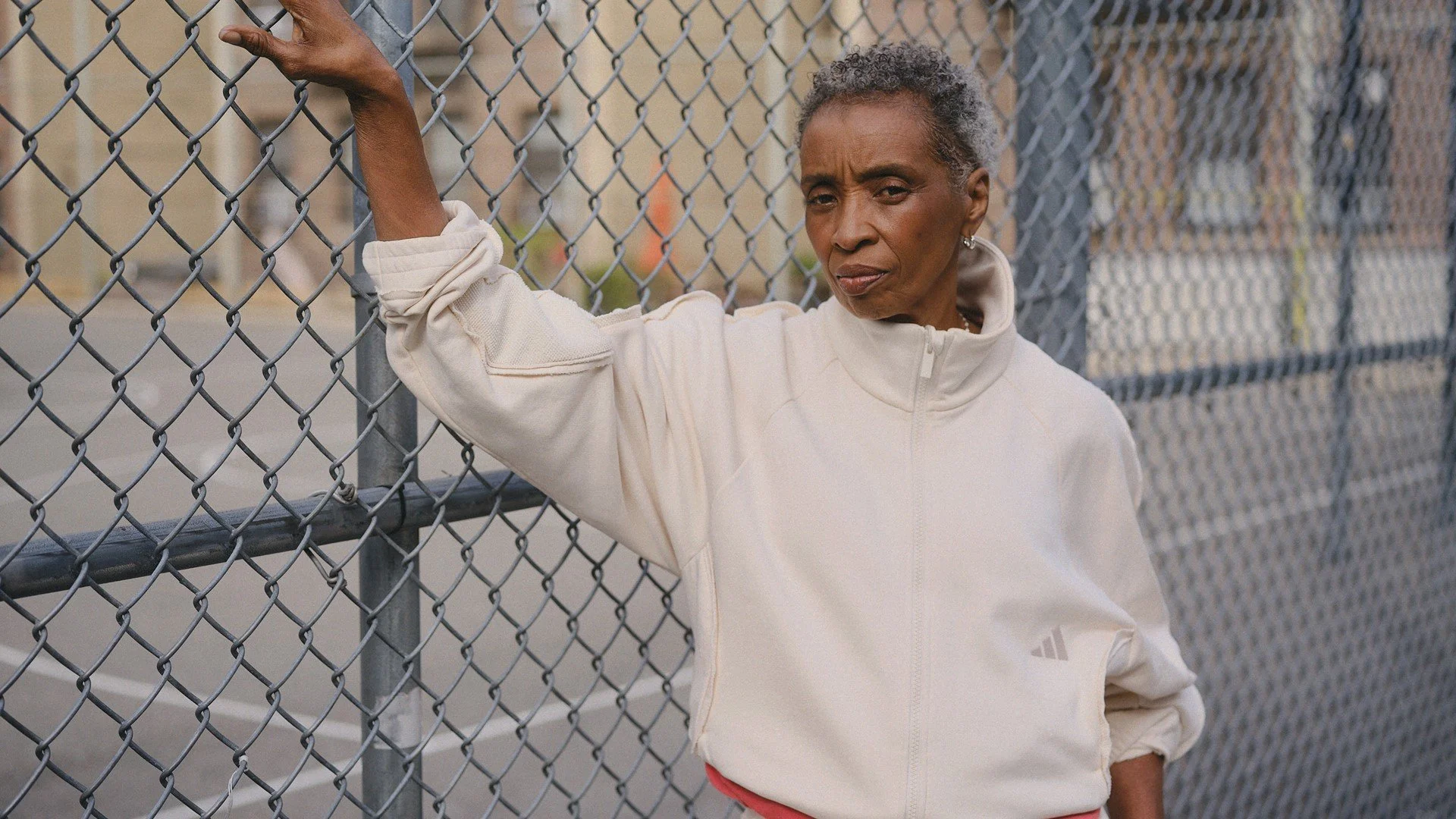
In September, Montreal twins Marcus Troy and Naskademini turned a public tennis court into photographs and paintings for adidas. It was a genius partnership, tied to the opening of JD Sports’ new store on Saint-Catherine Street West, where the finished work sat beside the adidas Stan Smith for a two-day activation on September 12 and 13 with community partner Quartier.
On paper, it was a store opening. A retailer needed a reason to visit. A classic shoe needed a fresh story.
But look at how the work was actually made.
From Court to Studio
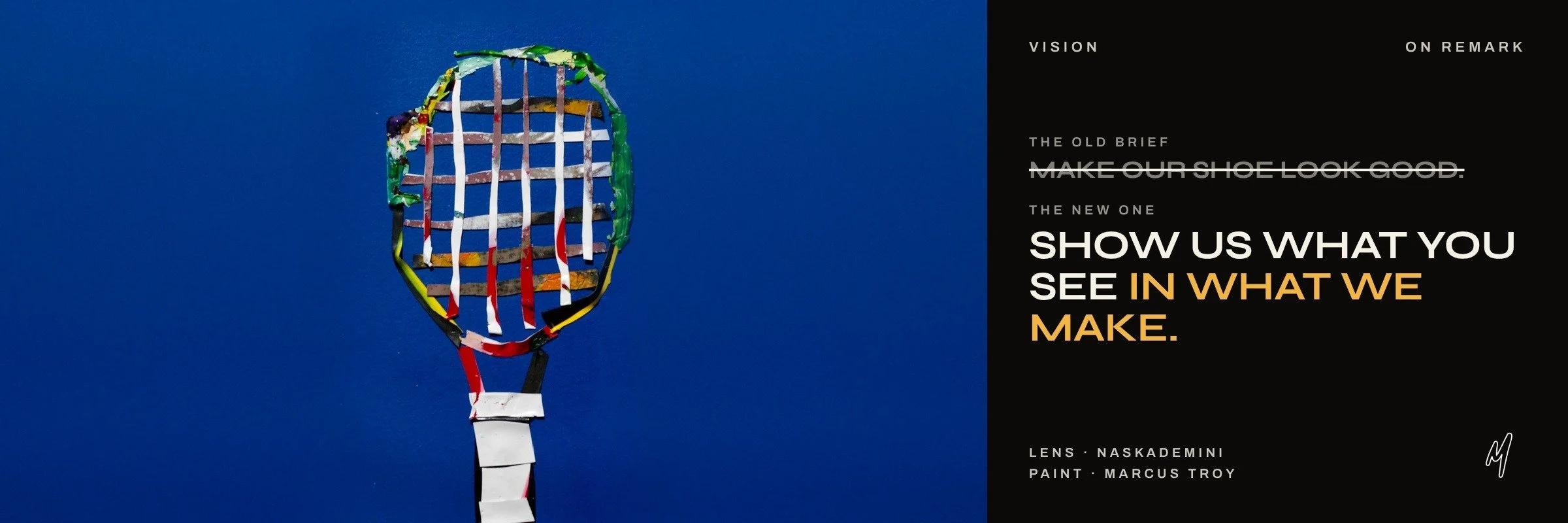
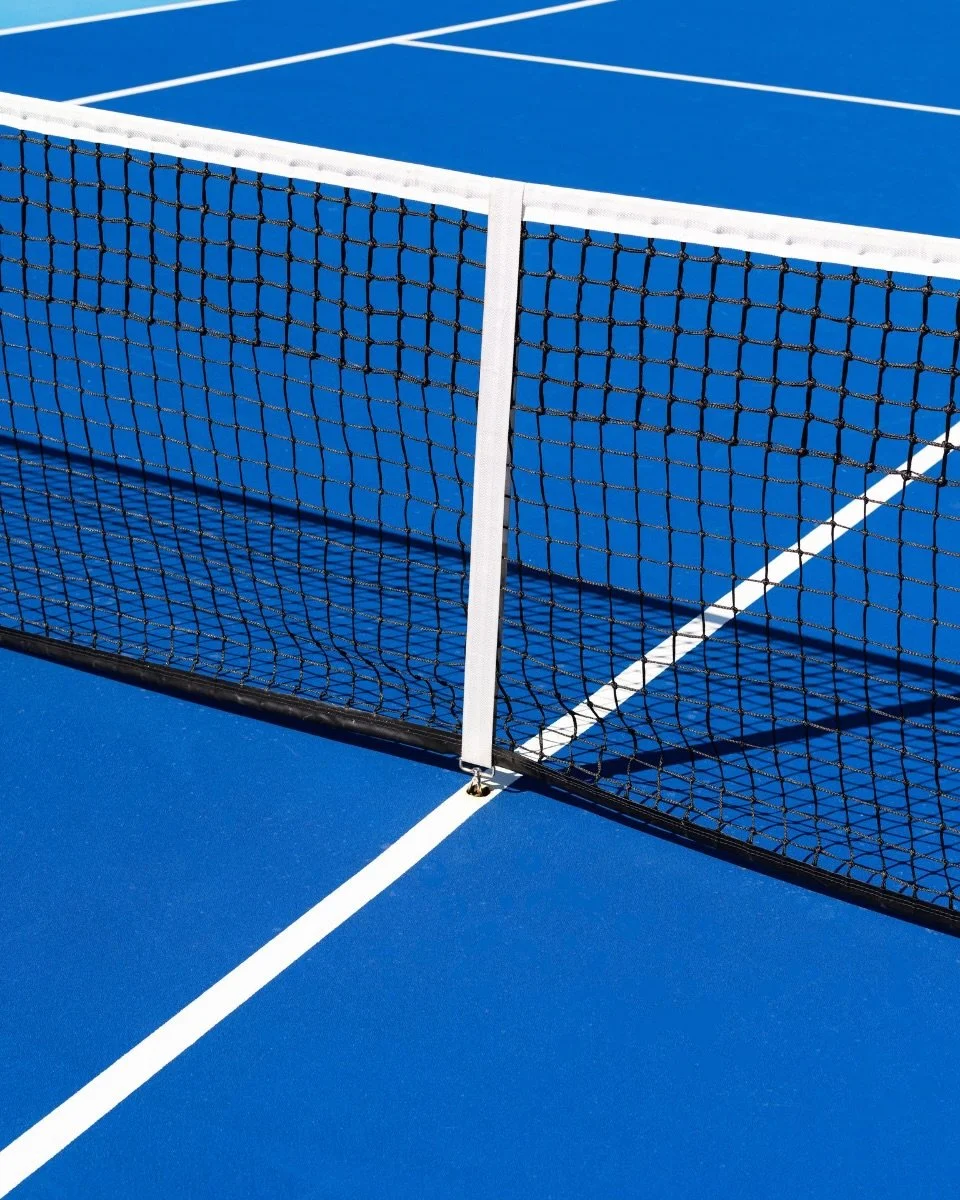
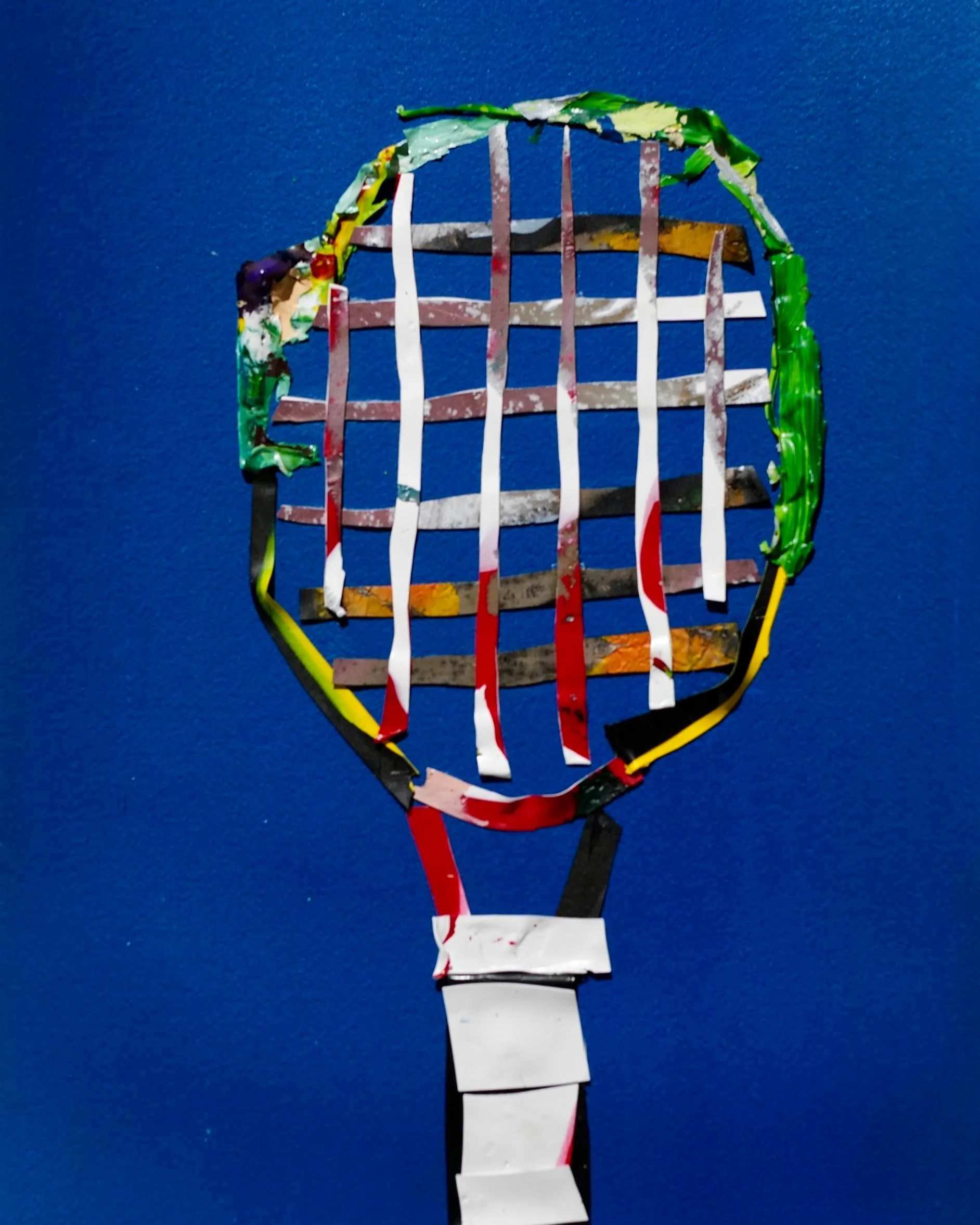
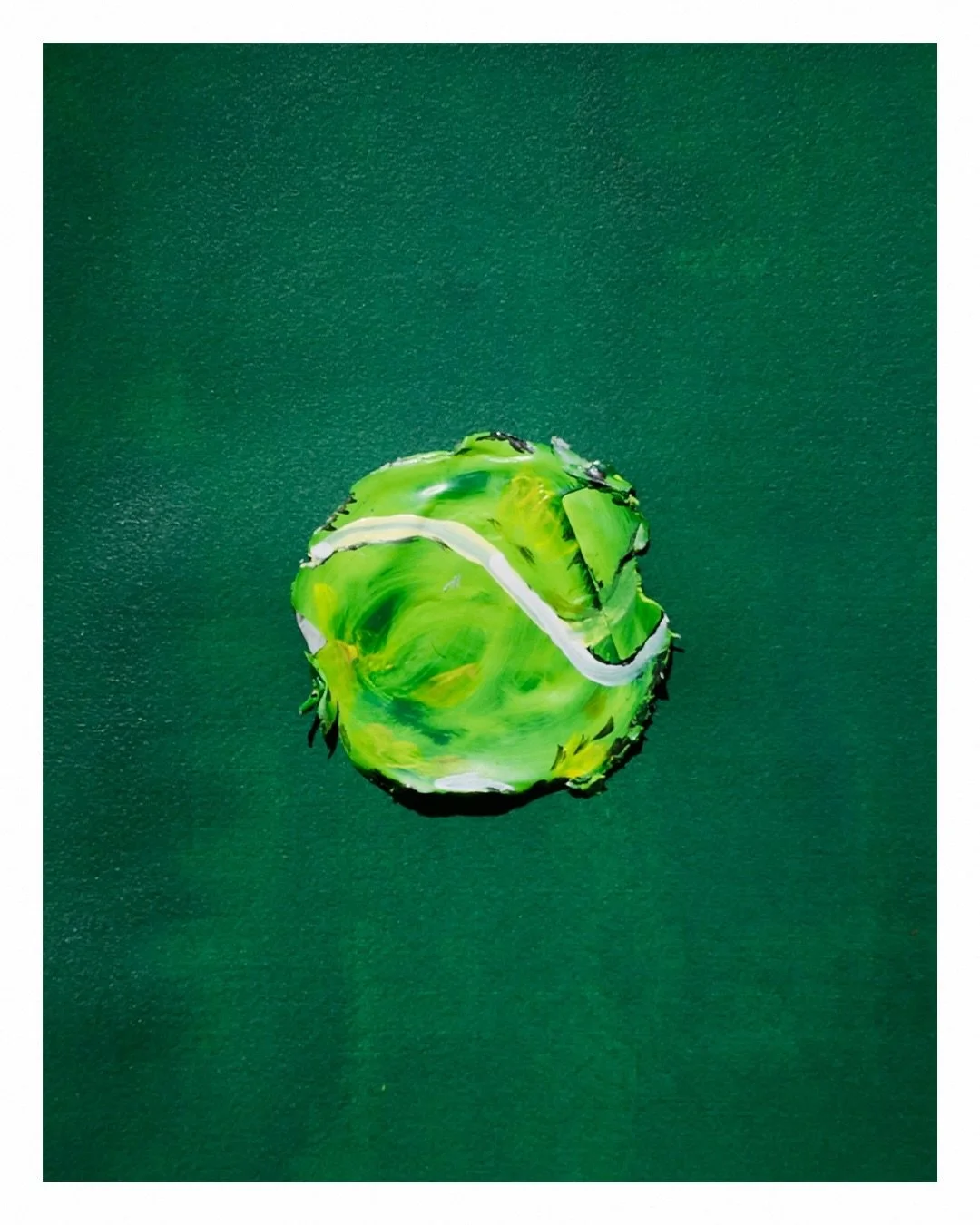
Naskademini photographed the court first. The lines, the net, the shadows, the geometry of a surface built for movement. Then Marcus Troy took that court into his studio and rebuilt it in paint chips.
That last part matters. Marcus’s practice, which he calls Rebloomism, starts with what most painters throw away: dried acrylic scraped from old palettes, archived, then reassembled into new compositions. From that residue came a tennis ball, a racket, a player and a serving hand.
One tennis court, translated twice. Once through a lens, once through leftovers.
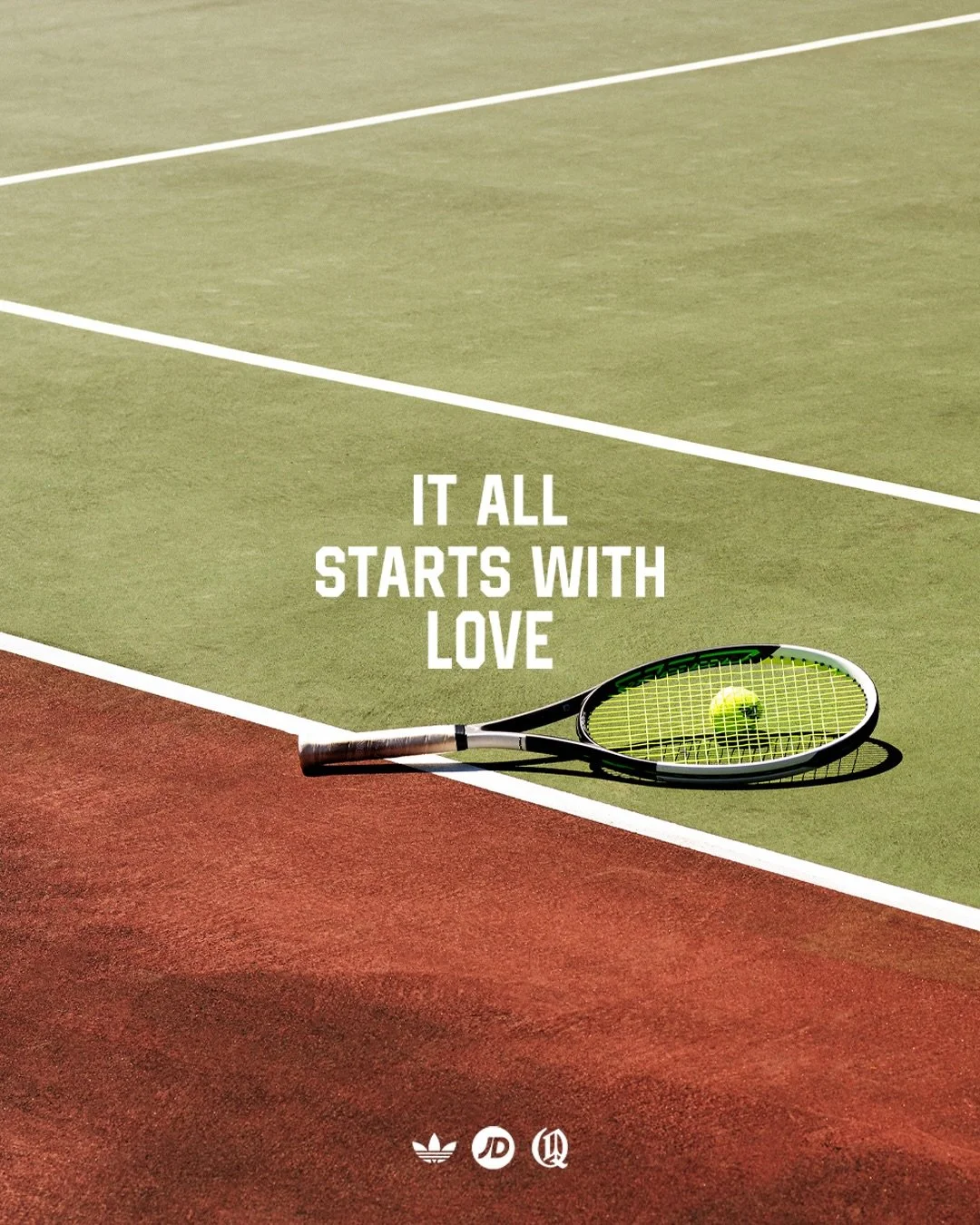
The project’s opening slide put it simply: it all starts with love. In tennis, love means zero. Fitting, for an artist whose material starts as nothing.
Why Two Brothers Make One Brief
Marcus Troy and Naskademini are identical twins, Canadian with Trinidadian roots, raised in Montreal. They have been building alongside each other for well over a decade.
Naskademini moved from web design into photography, opening his first studio in Montreal’s southwest in 2009 and turning fully to portraiture by 2013. Marcus launched marcustroy.com in 2008 as a fashion and lifestyle platform, then came back to painting during the pandemic. His work has since shown at 1-54 Contemporary African Art Fair in London and entered the permanent collection of the Business Development Bank of Canada.
Their shared résumé reads like a short history of brands learning to work with creatives. A Reebok Classic lookbook. A FILA Mindblower whose insole mapped Little Burgundy, the Montreal neighbourhood that shaped them. A podcast. A 2024 PHI Centre project crediting Naskademini as collaborator.
Naskademini has said his twin is his favourite subject, because photographing Marcus feels like photographing himself.
That’s the part no brand can manufacture. Most creative partnerships spend years building trust and shorthand. These two started with it.
The New Artist Brief
Montreal isn’t the only place this is happening.
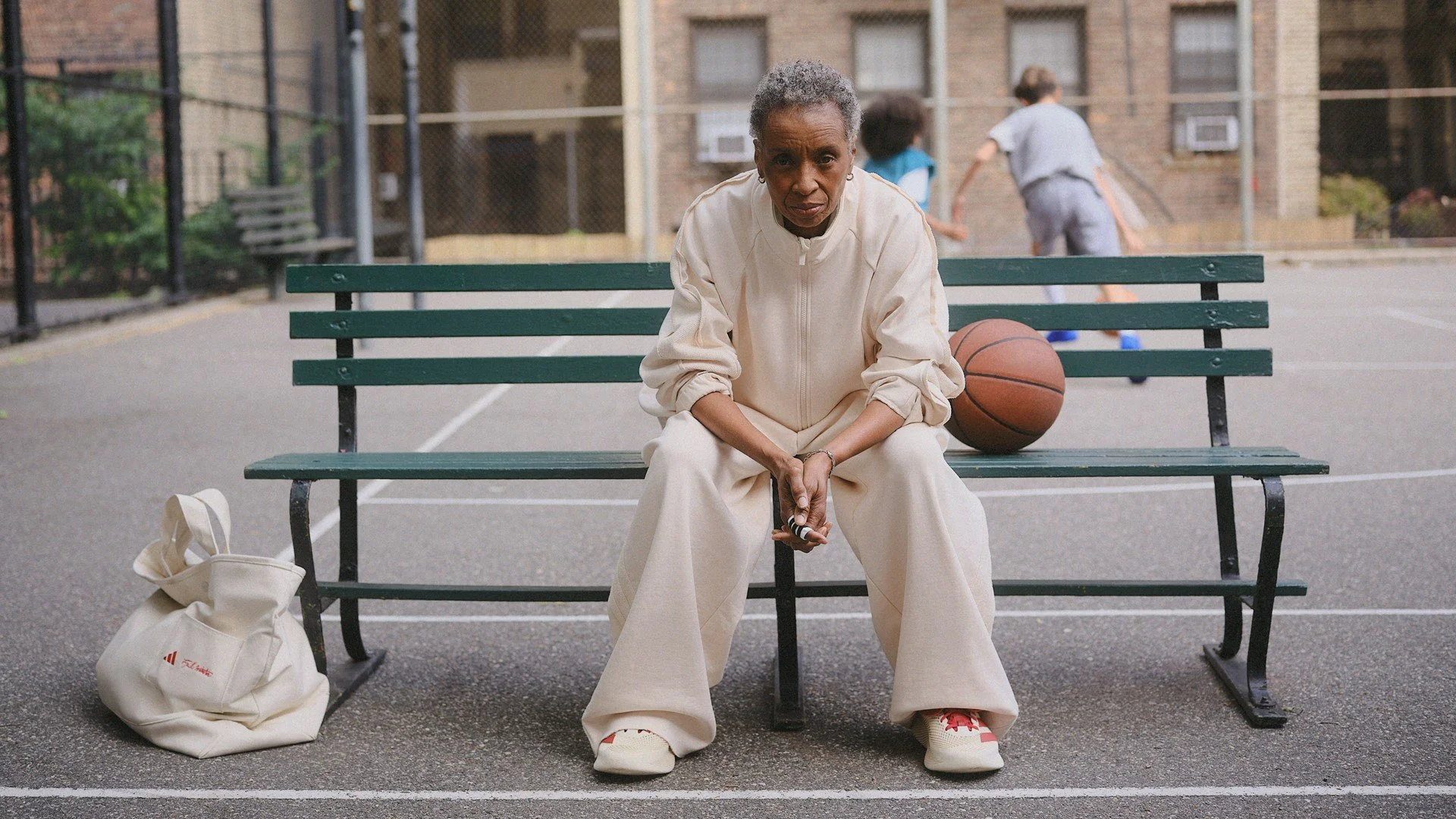
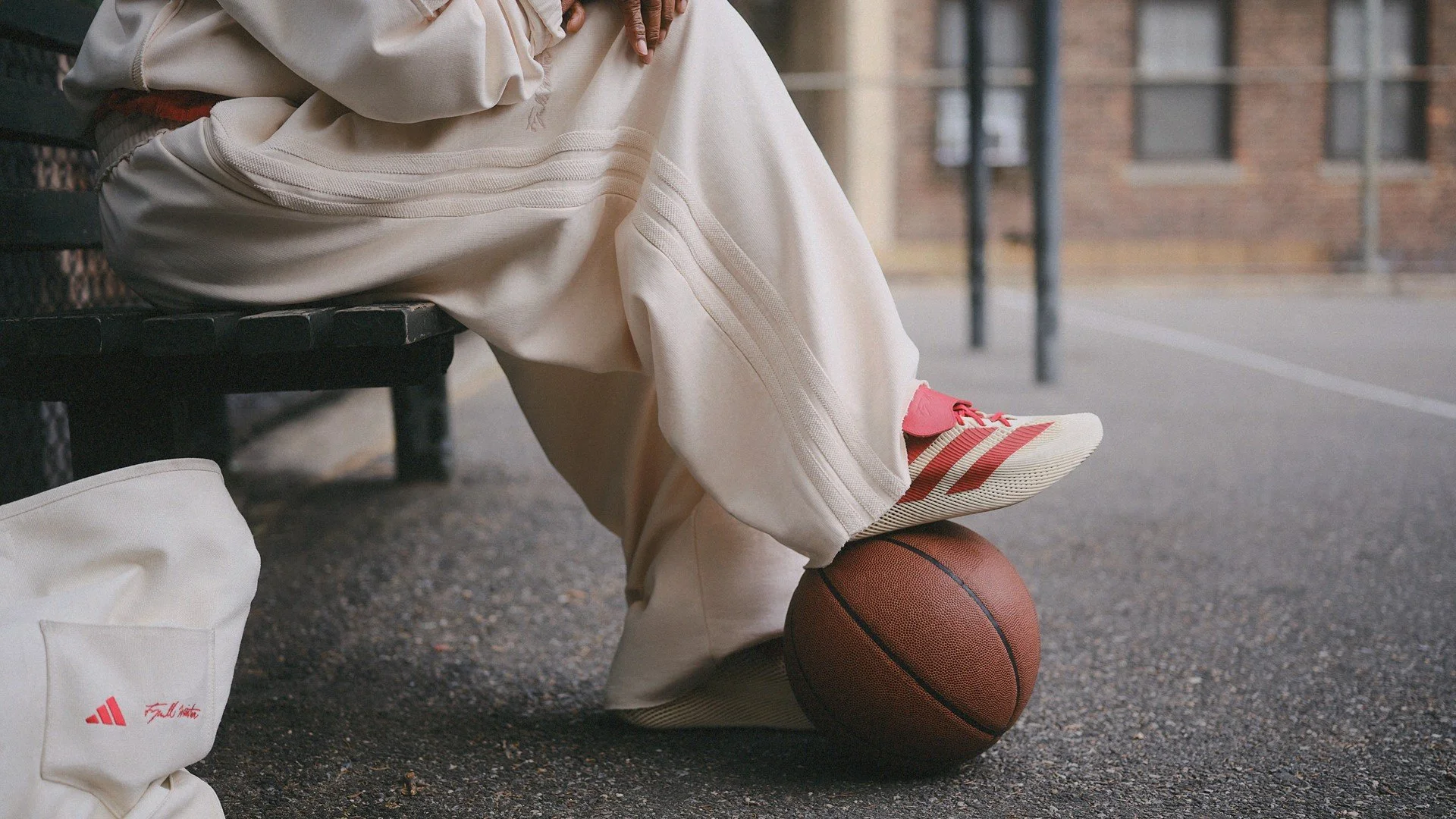
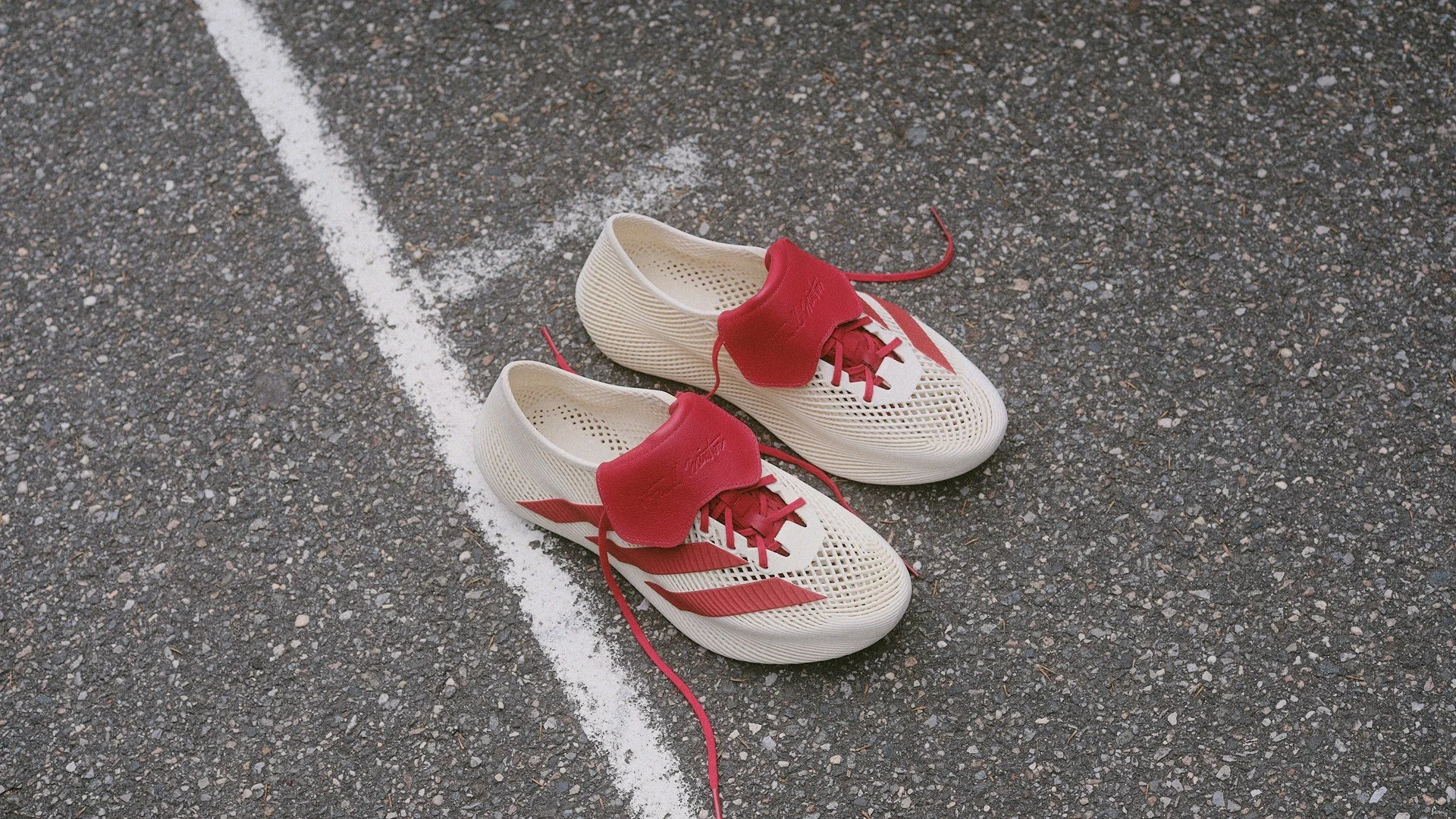
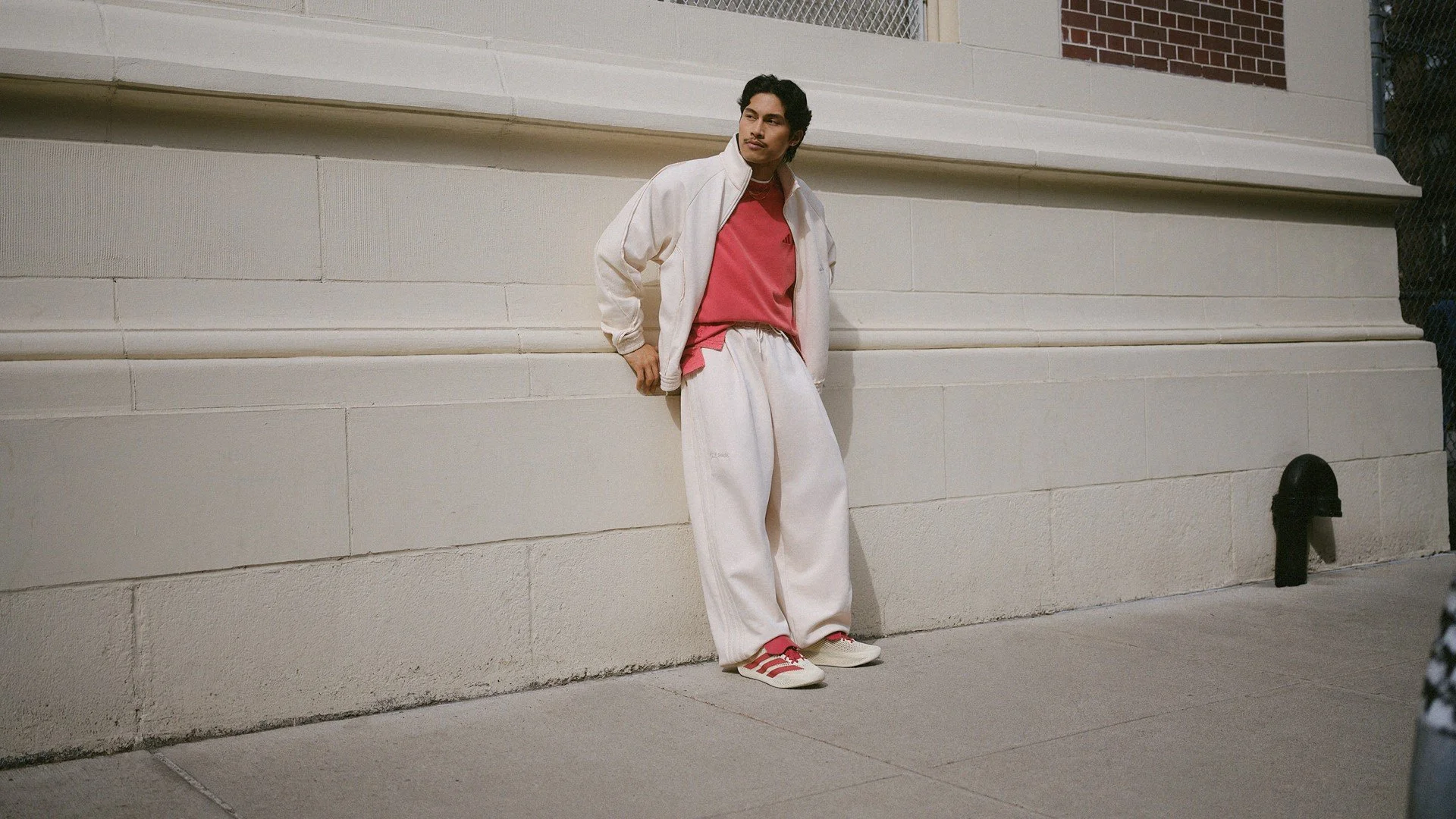
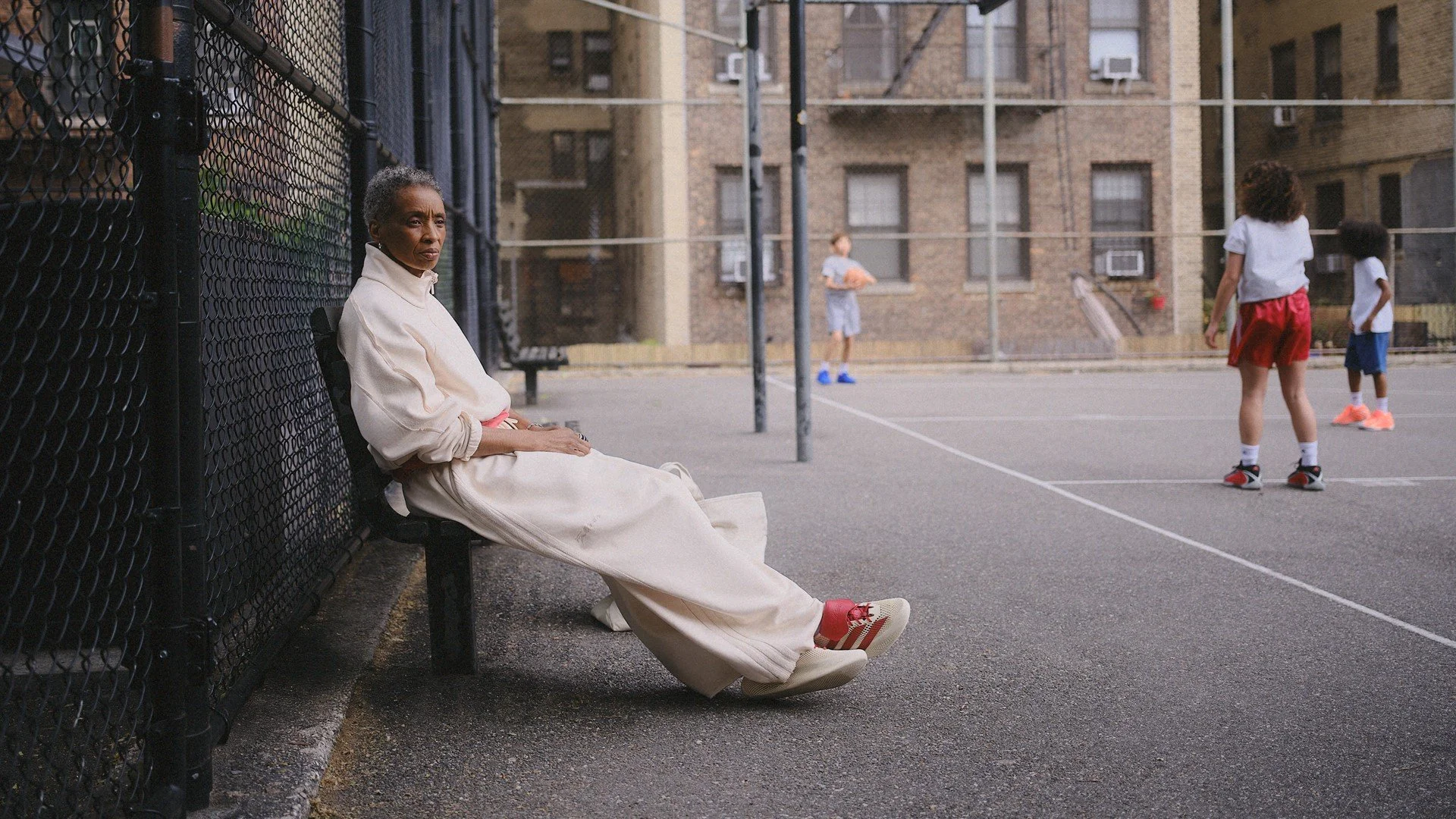
This year, adidas brought on Tyrrell Winston, an American artist known for turning discarded sports equipment, deflated basketballs especially, into art. Like Marcus Troy and Naskademini, Winston had worked with Reebok first. His adidas run started with a reworked Lightblaze POD in March and reached his first full capsule, built around the Spiritain 2000, in October.
Put the two side by side and a pattern appears. Sportswear isn’t only hiring famous faces. It’s hiring artists whose practice is about transformation: worn objects, leftover material, things given a second life.
Maybe that’s the real brief now. Not “make our shoe look good,” but “show us what you see in what we make.”
But there’s a ladder here. Winston’s path led to product with his name on it. The Montreal project was a commission: original work made for a weekend. Where it lives now isn’t public.
Which raises the questions worth asking every time a brand calls an artist. Who owns the work afterwards? Whose name travels with it? And does the art still belong to the artist’s practice, or only to the campaign?
Off-Season
In the brothers’ own telling, the chain ran court, lens, studio, community, with the shoe meeting the work at the end. That order says something about who held the creative centre of the project, even if the brief came from a brand.
The court is empty now. The paint chips aren’t going anywhere.
Starting from love, it turns out, is an advantage.
Disclosure: This piece was not commissioned, reviewed or paid for by the artists, adidas or JD Sports.
Photography by Naskademini, courtesy of the artists.